Board the only surviving pre-war Japanese ocean liner
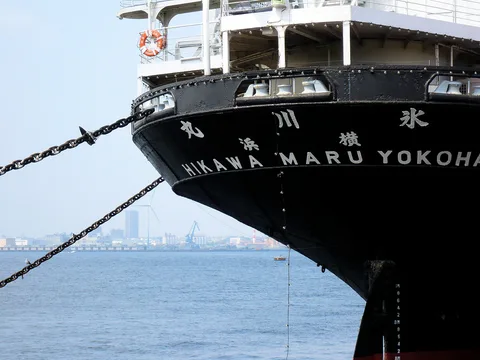
NYK Hikawa Maru
She struck mines three times as a hospital ship and survived all three. Skip the pretty first-class rooms and go down: the original 1930 engines are still in the engine room.
Uniquely
Japan
33 records across 1 city65 more worth doing

33 records
NYK Hikawa Maru
She struck mines three times as a hospital ship and survived all three. Skip the pretty first-class rooms and go down: the original 1930 engines are still in the engine room.
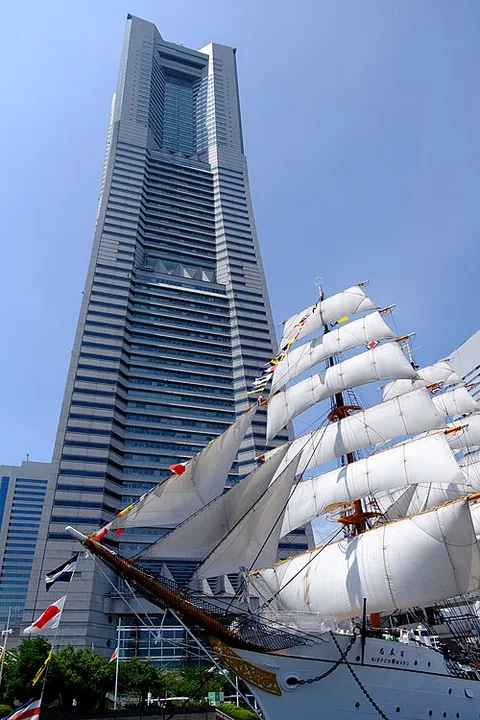
Nippon Maru Memorial Park
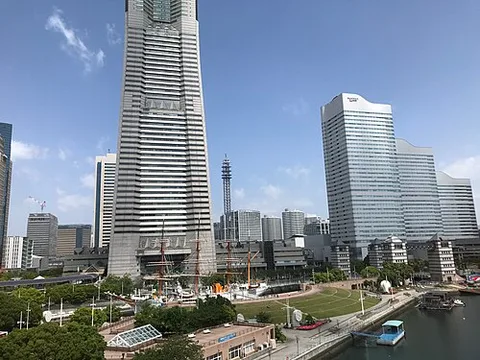
Twelve times a year, about 80 volunteers set all 29 sails of a 1930 training ship entirely by hand. Watch from the dock for free, board over lunch, come back for the furl.
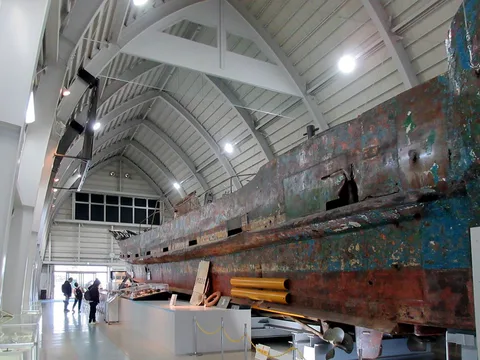
Japan Coast Guard Museum Yokohama
Disguised as a fishing boat, it had four engines where a trawler has one or two. You can count them from the walkway, and it costs nothing to get in.
Yokohama Bay Bridge Sky Walk
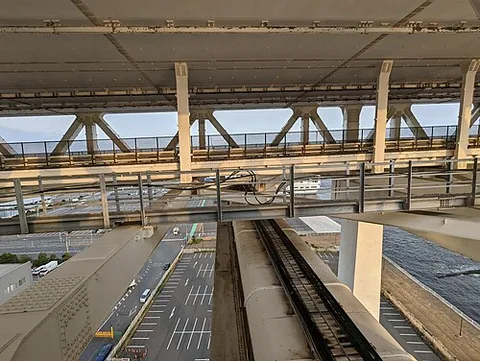
A 320 m walkway slung beneath the road deck of a suspension bridge, free, and open only on weekends and holidays. Turning up on a weekday is the classic wasted trip.
The Cafe, Hotel New Grand
Seafood doria, spaghetti Napolitan and pudding a la mode were all invented at Hotel New Grand, and all three are still on the menu downstairs. The Napolitan uses tomato, not ketchup.
Yoshimuraya
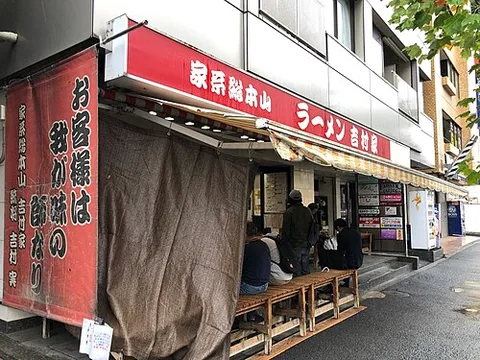
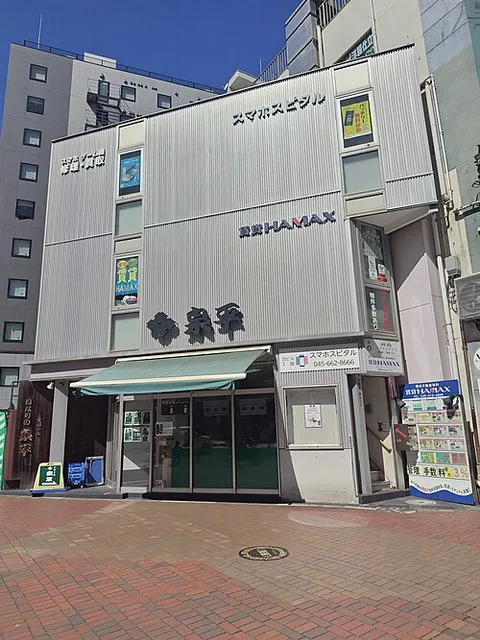
A long-haul trucker fused two ramen styles in 1974 and over a thousand shops copied him. You order by firmness, strength and oil, and residents say three words: katame, koime, ōme.
Shin-Yokohama Ramen Museum
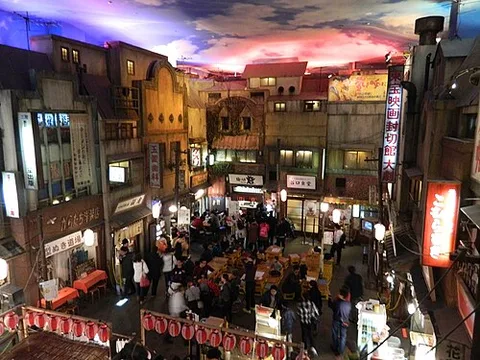
Two basement floors rebuilt as a 1958 street, the year instant noodles were invented. Every shop sells a mini bowl so you can eat four or five regional styles in one sitting.
Taya-no-Dokutsu (Josenji)
You are handed a candle at the temple office and light it at the cave mouth. It is your only light for 570 m of passages carved by hand over centuries, past about 250 Buddhist reliefs.
Shomyoji and Kanagawa Prefectural Kanazawa Bunko
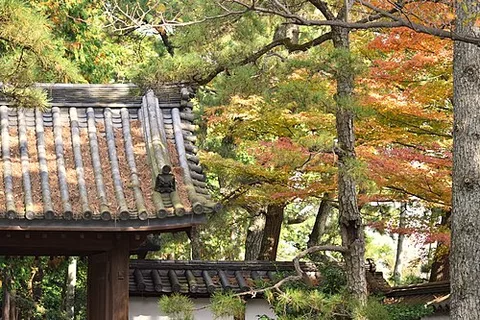
The arched bridge was rebuilt in 1986 from a temple map painted in 1323, so the view across the pond is deliberately a medieval one. Behind it is the oldest surviving warrior-clan library in Japan.
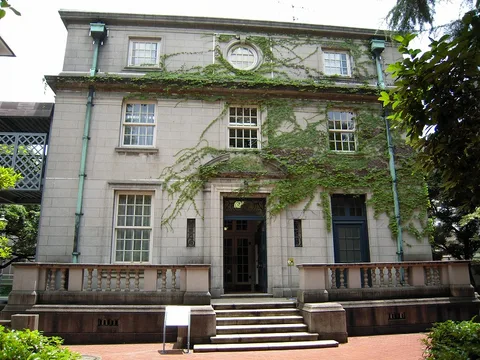
Okurayama Memorial Hall
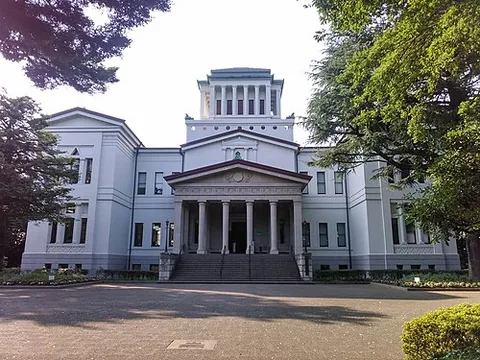
A Greek-temple exterior over Japanese timber interiors, in a style no other building in the country uses. It is a working community hall open until 22:00, so you walk in and find residents rehearsing.
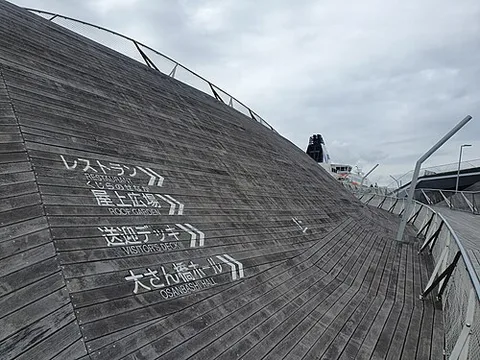
Osanbashi Yokohama International Passenger Terminal
A 400 m folded timber roof with no columns and no steps anywhere on it, so a wheelchair reaches every point a walker does. It never closes.
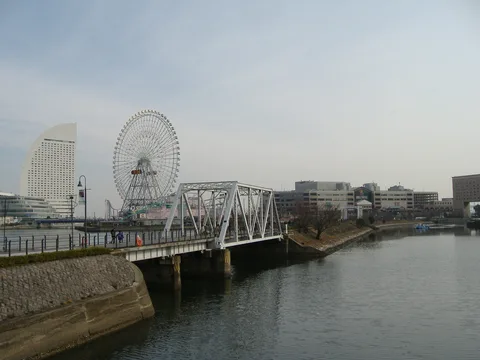
Kishamichi
A 1911 harbour railway turned promenade, crossing open water on its original 1909 American-built bridges with the rails still set into the path. Walk it after dark towards the skyline.
Yokohama Archives of History
The 1854 Convention of Kanagawa was signed on this spot. The courtyard camphor descends from the tree in the woodcut of Perry's landing, and survived a fire and an earthquake.
Kiyoken Yokohama Factory
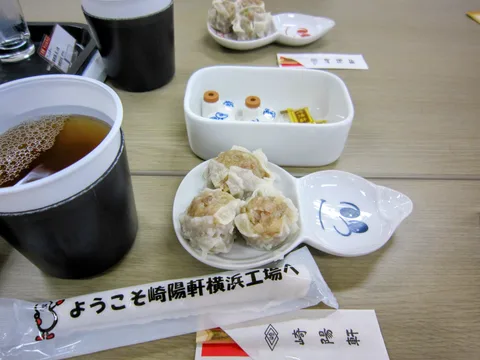
The rice is steamed to stay chewy when cold and the box is shaved wood that pulls moisture out. Inside is a gourd-shaped soy bottle that households here keep by the drawerful.
Nakadori and Shioda
Okinawans came to build the landfill and could not go home after 1945. Residents now hand out their own map of 19 Okinawan restaurants, with opening hours and what to order.
Koganecho
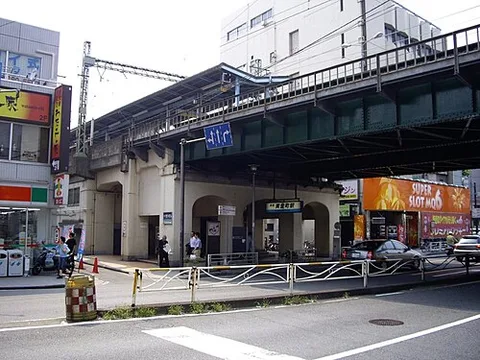
In 2005 police closed every business in a post-war red-light strip under a railway viaduct. Instead of demolishing the tiny cubicles, the city filled them with artists.
Music Chronicle Yokohama
Pick a record from a period list and they put it on for you. The collection belonged to a jazz kissa founded in 1933, where future stars came to study records they could not afford to buy.
Shinko Pier
Not one festival but about thirty nights a year of five-minute firework shows at 19:00, free to watch from anywhere on the harbour. Be in position by 18:45.