Photos: Yanajin33 · CC BY-SA 3.0 · Maarten Heerlien from Voorschoten, The… · CC BY 2.0
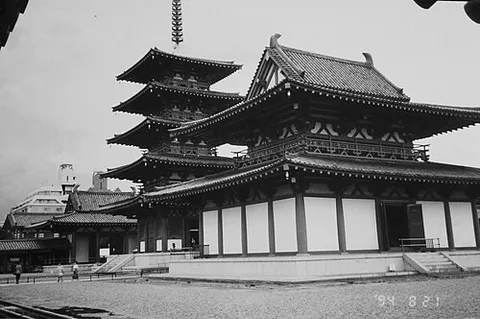
On the 21st of every month, Kūkai's death-day, Tō-ji's precinct fills with close to 1,000 stalls of antiques, old kimono, tools, plants and food for Kōbō-ichi. The temple traces it to tea stalls serving worshippers at the monthly memorial rite for over 700 years.
Why it's unique
It is a local ritual on a fixed day: the market exists because of a monthly memorial service, and the temple dates its roots to tea stalls more than 700 years ago.
Kyoto residents pair it with Tenjin-san on the 25th as the city's two monthly fairs. Some of what you can do here happens only on this date, such as the yakimochi at the shop by the gate, which is sold only on the 21st.
Before you go
Serious buyers come at dawn; stalls wind down from about 16:00. The Mieku service is in the Miei-dō at 10:00. Tōji-mochi, the shop by the gate, sells yakimochi only on the 21st. December's Shimai-kōbō and January's Hatsu-kōbō are the busiest of the year. A smaller antiques-only market runs on the first Sunday.
The market is free; the gate is open 5:00 to 17:00. The temple halls are ¥800 (more when the pagoda is open). It is a 10 minute walk from Kintetsu Tō-ji.