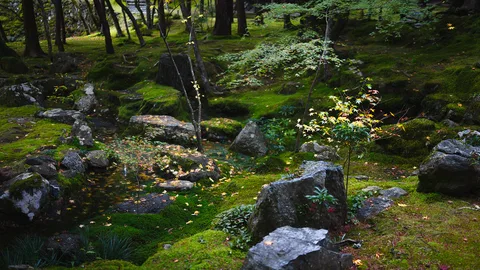
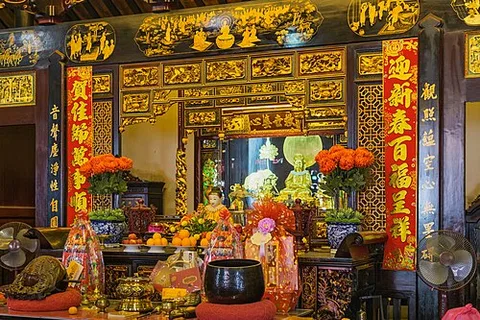
Fucha ryōri is the Chinese-style vegetarian temple cuisine that the monk Ingen brought to Japan. Ingen arrived in 1654 and founded Mampuku-ji in 1661 as the head temple of the Ōbaku school, built in the Ming manner with Sumatran teak, and the temple still serves the meal in its grounds.
Why it's unique
This is the head temple of the Ōbaku school and the source of fucha ryōri in Japan: its founder, Ingen, is the monk who brought the cuisine here. The temple calls itself the greatest Chinese-style temple in Japan.
Fucha ryōri is also served at two Kyoto City temples linked to Mampuku-ji, so the claim is to the original rather than the only. Eating it here means eating it in the grounds of the temple Ingen founded, in the Ming-style buildings, the old way.
Before you go
It is served the old way: four people round one table, sharing large platters, with no head seat, and you are expected to finish everything. Look for mafu, a sesame-and-kudzu dish said to be the ancestor of goma-dōfu. Look too for the mock-fish dishes in the shunkan platter, such as a tofu-and-nori "eel" and a yam "kamaboko". Ingen is also credited with green beans, which is why they are called ingen-mame.
Before or after eating, find the kaipan, the huge wooden fish hanging in the corridor. Monks strike it to call meals and services. Its eyes are always open because fish never sleep, and the ball in its mouth stands for the worldly desires you knock out of it. The temple also has a hall to Baisaō, the monk who spread sencha.